Mountain biking offers a unique blend of adrenaline-pumping adventure and immersive nature experiences. While beginners may start with basic trail rides, experienced riders seek to push their limits and conquer more challenging terrain. In this article, we'll delve into advanced mountain biking techniques that will elevate your skills and confidence on the trails, enhancing your overall experience during mountain biking expeditions.
Here we go!
Advanced Riding Skills
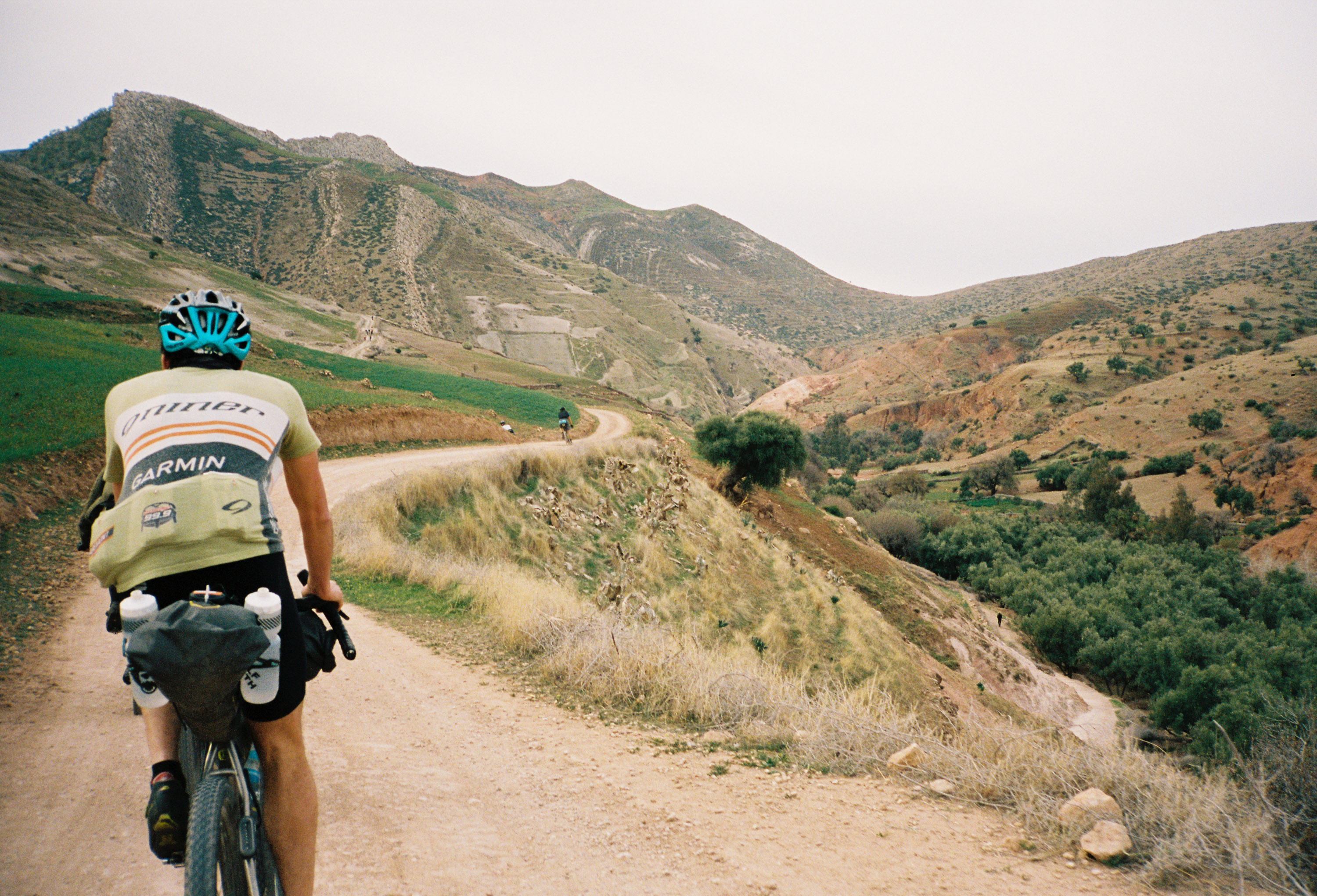 |
| Mountain Biking Techniques |
Mastering advanced riding skills is crucial for navigating technical trails with finesse and control. Let's explore three key techniques:
Bunny Hops
This skill allows you to lift both wheels off the ground simultaneously, enabling you to clear obstacles such as rocks, roots, and logs. Practice timing your jump and coordinating your body movements to achieve a smooth and controlled hop.
Wheelies
Riding on your back wheel requires a delicate balance of weight distribution and throttle control. Learn to shift your body weight backward while applying gentle pressure to the pedals to lift the front wheel off the ground. Mastering this skill can help you maneuver over obstacles and maintain momentum on challenging terrain.
Manuals
A manual is a technique where you lift the front wheel off the ground and ride on the rear wheel. This skill requires precise balance and control. Practice shifting your weight back while maintaining a slight bend in your arms and legs to keep the front wheel elevated.
These skills require practice and patience, but mastering them will significantly enhance your confidence when tackling technical trials.
Technical Descents
 |
| Technical Descents |
Descending steep and technical trails requires a combination of skill and courage. Here are some key techniques:
Body Position
Shift your weight back to maintain traction on the rear wheel and prevent the front wheel from lifting off the ground. Keep your knees and elbows bent to absorb the impact of rough terrain.
Braking Technique
Use both front and rear brakes judiciously to control your speed. Avoid locking up the brakes, as this can lead to skidding and loss of control. Feather the brakes to modulate your speed smoothly.
Line Selection
Choose the smoothest and safest line down the descent. Look ahead and anticipate obstacles to plan your route. Avoid sudden changes in direction or speed that could result in loss of control.
Mastering these techniques will enhance your confidence and safety on steep descents, allowing you to tackle challenging terrain with ease.
Climbing Strategies
Climbing steep hills is a test of strength, endurance, and technique. Here are some strategies to conquer climbs:
- Gear Selection: Shift to a lower gear to maintain a steady cadence. This will help you conserve energy and prevent burnout on long climbs.
- Body Position: Lean forward to keep the front wheel grounded and maintain traction. Distribute your weight evenly between the front and rear wheels to prevent wheel spin.
- Momentum: Use your momentum from the descent to carry you through the initial part of the climb. Maintain a steady pace and avoid sudden bursts of speed that can lead to fatigue.
By mastering these climbing strategies, you can tackle even the steepest climbs with confidence and efficiency.
Trail Features
Trail features such as drops, berms, and rock gardens present unique challenges that require specific techniques:
- Drops: Approach drops with confidence and commitment. Keep your weight centered and your knees bent to absorb the impact. Focus on landing smoothly to maintain control.
- Berms: Use the trail's banking to your advantage. Lean your bike into the turn while keeping your body upright. This will help you maintain speed and control through the turn.
- Rock Gardens: Navigate through rocky sections by choosing a smooth line and staying loose on your bike. Keep your eyes focused ahead to anticipate the best path through the rocks.
Understanding how to ride these features will make you a more versatile and capable mountain biker, allowing you to tackle a wider variety of trails with confidence.
Cornering Mastery
Cornering is a fundamental skill that can greatly impact your speed and control on the trail. Here are some key techniques:
- Body Position: Lean your bike into the turn while keeping your body upright. This will help you maintain traction and control through the corner.
- Braking: Avoid heavy braking in corners, as this can cause your wheels to skid. Instead, brake before entering the corner and then release the brakes as you turn.
- Line Choice: To maintain momentum, choose the smoothest and widest line through the corner. Look ahead and anticipate your exit to plan your line.
Mastering cornering will improve your overall flow on the trail, allowing you to maintain speed and control through turns.
Conclusion
 |
| Advanced Mountain Biking Techniques |
Mastering these advanced mountain biking techniques with My Trip My Dream requires dedication, practice, and a willingness to push your limits. By honing your skills in bunny hops, wheelies, manuals, technical descents, climbing strategies, trail features, and cornering, you'll become a more confident and capable rider. Remember to always ride within your abilities and prioritize safety on the trails.
With perseverance and determination, you'll elevate your mountain biking to new heights of skill and enjoyment. Happy riding!
If you need more information about the trip, read our other article about the Day of the Dead.


No comments:
Post a Comment