Monday, February 26, 2024

Essential Oaxaca Travel Tips Every Traveler Should Know

UNESCO World Heritage City Oaxaca

Traveling to Oaxaca, Mexico, is a vibrant and culturally rich experience. From its stunning architecture to its delicious cuisine and colorful markets, Oaxaca has something to offer every traveler. With so many things to do in Oaxaca, it's important to prepare your tour properly to make the most of your trip.

Keep reading to discover more about this enchanting destination and what you should know about traveling to Oaxaca!

Before You Go

Using map to plan your trip
Plan Your Trip

Research and Plan Ahead

Before embarking on your journey to Oaxaca, take the time to thoroughly research the destination. Learn about the culture, history, and local customs to better understand and appreciate your experience. For example, learn a bit about their famous celebration, the Day of the Dead.

Planning ahead will also help you make the most of your time in Oaxaca and ensure you don't miss out on any must-see attractions or experiences. Consider creating a flexible itinerary that allows for spontaneity while ensuring you cover the highlights of the region.

Pack Wisely

Oaxaca has a mild climate, but it can vary depending on the season and altitude. Pack lightweight clothing for warm weather, but also bring some layers for cooler evenings. Don't forget essentials like sunscreen, insect repellent, and comfortable walking shoes, especially if you plan to explore the city on foot. Additionally, consider bringing a reusable water bottle to stay hydrated and reduce plastic waste.

Learn Some Basic Spanish

While many people in Oaxaca speak English, knowing some basic Spanish phrases can go a long way in enhancing your experience. Locals will appreciate your efforts to communicate in their language, and it can help you navigate the city more easily. Consider learning simple phrases for greetings, ordering food, and asking for directions to make your interactions with locals more meaningful.

During Your Stay

People in Oaxaca
Traveling in Oaxaca

Respect the Local Culture

Oaxaca is known for its rich indigenous culture, and it's important to respect local communities and traditions. Be mindful of your behavior, dress modestly when visiting churches or indigenous communities, and ask for permission before taking photos of people.

Engage with locals respectfully and be open to learning about Oaxacan traditions and way of life.

Try the Local Cuisine

Oaxaca is famous for its delicious food, so be sure to sample some of the local dishes. Try traditional dishes like mole, tlayudas, and chapulines (grasshoppers) for a truly authentic culinary experience. Don't hesitate to explore street food stalls and local markets for unique and flavorful dishes. Be adventurous and try new foods, but also be mindful of food safety practices to avoid getting sick.

Explore Beyond the City

While Oaxaca City itself has plenty to offer, don't miss the opportunity to explore the surrounding area. Visit nearby villages known for their artisan crafts, explore ancient ruins, or take a trip to the stunning Hierve el Agua natural rock formations.

Consider hiring a local guide to enhance your experience and gain insight into the region's history and culture. Embrace the opportunity to immerse yourself in the beauty of Oaxaca's landscape and connect with its rich heritage.

Conclusion

Visiting Oaxaca is a magical experience, but it's important to be prepared and respectful of the local culture. By following these essential travel tips, you can ensure that your trip to Oaxaca is memorable for all the right reasons.


Immerse yourself in the vibrant culture, savor the delicious cuisine, and explore the stunning landscapes that make Oaxaca a truly unique destination. Enjoy your tour!


Monday, February 19, 2024

The Beginner's Path: Rock Climbing Basics and Beyond

Rock climbing provides an exhilarating and demanding experience, combining physical and mental challenges. Whether you're new to climbing and eager to start scaling vertical walls or a seasoned climber aiming to improve your abilities, this guide will equip you with the necessary knowledge for your rock climbing expeditions.

Let's go!

Getting Started

Rock climbing tools set
Rock Climbing Set

Choosing the Right Gear

Before you hit the rocks, it's crucial to have the right gear. It's the same but different from hiking; a sturdy pair of climbing shoes, a harness, a helmet, and a chalk bag are essential for safety and performance. Additionally, investing in good-quality rope and carabiners can ensure your safety while climbing.

Learning the Ropes

Understanding basic climbing techniques and safety procedures is key. Take a beginner's course or learn from experienced climbers to grasp fundamental skills such as belaying, knot tying, and proper climbing techniques. Learning from experienced climbers can also provide you with valuable tips and tricks that you may not learn from a course.

Essential Techniques

A group of people practicing rock climbing
Rock Climbing

Footwork

Mastering footwork is essential for efficient climbing. Focus on placing your feet precisely and using them to support your body weight. Practice different foot placements and experiment with different angles to find what works best for you.

Handholds

Learning to use different types of handholds, such as crimps, jugs, and slopers, can improve your grip and control on the rock. Experiment with different grip techniques and hand positions to find the most comfortable and effective way to hold onto the rock.

Body Positioning

Maintaining the right body position can make climbing more efficient and less tiring. Keep your hips close to the wall and use your legs to push yourself up. Engage your core muscles to maintain balance and stability while climbing.

Climbing Etiquette

A Girl learning rock climbing
Climbing Etiquette

Leave No Trace

Just like mountain climbing, respect the environment by leaving no trace of your presence. Pack out all trash and avoid damaging vegetation. Practice Leave No Trace principles by staying on designated trails and avoiding trampling on fragile plants.

Yielding

Be aware of other climbers and yield to those who are climbing or descending. Communicate clearly and politely to avoid accidents. If you need to pass another climber, wait for a safe opportunity and ask for permission before proceeding.

Beyond the Basics

A man rock climbing
Beyond the Basics of Rock Climbing

Building Strength and Endurance

As you progress, focus on building your strength and endurance through targeted exercises and regular climbing sessions. Incorporate activities such as weightlifting, yoga, and cardio into your routine to improve your overall fitness and climbing performance.

Trying Different Styles

Experiment with different climbing styles, such as bouldering, sport climbing, and traditional climbing, to broaden your skills and experience. Each style offers unique challenges and opportunities for growth, so don't be afraid to step out of your comfort zone and try something new.

Conclusion

Embarking on a rock climbing journey can be both challenging and rewarding. By mastering the basics, honing your skills, and embracing the climbing community, you can enjoy a lifetime of adventure on the rocks.


So grab your gear, find a climbing buddy, and start climbing your way to new heights!


If you're looking for other interesting articles, kindly read our article about mountain biking!

Tuesday, February 13, 2024

Exploring Nature: The Beauty of Local Community Hikes

Nature hikes aren't merely a retreat to the wild; they're also a venture into the core of local communities. These excursions present an opportunity to marvel at nature's beauty, right in your local communities, fostering a connection with the environment and the community. They offer a revitalizing escape from the city's hustle and bustle, delivering a tranquility and peace that is unique to nature.

Moreover, they allow you to discover hidden gems and natural wonders that are often overlooked, showcasing the rich biodiversity and landscapes that exist within your community.

Benefits of Local Community Hikes

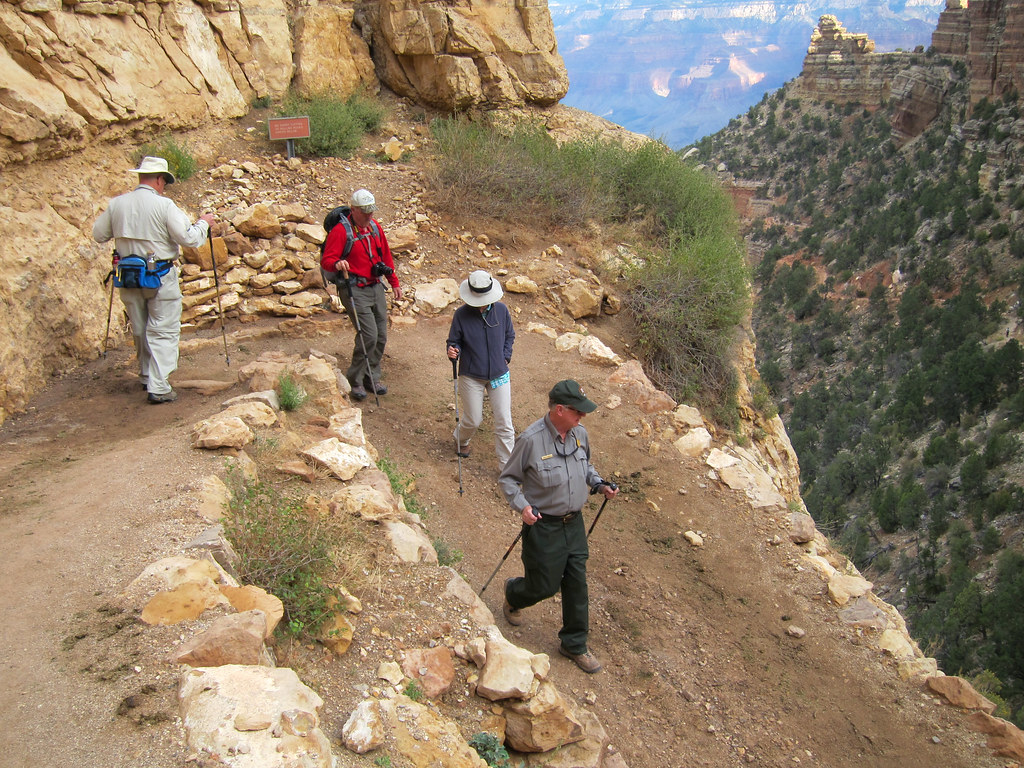
Hikers in Grand Canyon
Local Community Hikes

The benefits of hiking extend far beyond physical exercise. Hiking in local communities can improve cardiovascular health, strengthen muscles, and enhance overall fitness. It's also a great way to reduce stress, anxiety, and depression and boost your mood.

Additionally, just like mountain biking, hiking can help you connect with nature, appreciate the environment, and foster a sense of community. By immersing yourself in nature, you can experience a sense of awe and wonder that can be both humbling and inspiring.

Preparation for a Local Community Hike

A group of hackers preparing their things
Preparation for a Local Community Hike

Before heading out on a local community hike, it's important to prepare properly. Start by choosing a trail that matches your fitness level and interests. Consider the length and difficulty of the trail, as well as the terrain and weather conditions.

Pack essentials such as water, snacks, a map or GPS device, a first aid kit, and appropriate clothing and footwear. It's also wise to inform someone of your hiking plans and familiarize yourself with the trail rules and regulations. By preparing carefully, you can ensure a safe and enjoyable hiking experience.

Popular Local Community Hikes Across Regions

Walking trails in Perth
Popular Local Community Hikes Across Regions

Local communities offer a diverse range of hiking trails, each with its own unique charm. In the mountains, you can enjoy breathtaking views and challenging terrain. Near water bodies, you might find trails that lead to hidden waterfalls or scenic riverside paths.

Urban areas often have parks and green spaces that offer peaceful nature walks amidst city life. No matter where you live, there's bound to be a local community hike that suits your preferences. These hikes provide an opportunity to explore different environments and landscapes, from forests and meadows to mountains and coastlines, showcasing the natural beauty of your community.

Community Involvement in Local Community Hikes

Grand Canyon community hikes
Grand Canyon Community Hikes

Many local communities actively promote hiking as a way to connect with nature and each other. Volunteer opportunities, such as trail maintenance or leading guided hikes, are a great way to give back and make a positive impact.

Collaborative strategies such as community events and festivals focused on hiking can offer an enjoyable opportunity to connect with similar individuals and commemorate the wonders of the natural world. Engaging in local community hikes not only enhances your physical and mental health but also aids in the conservation and upkeep of hiking trails for the benefit of future generations.

Conclusion

Local community hikes offer a wonderful opportunity to explore nature, stay active, and connect with your community. Whether you're a seasoned hiker or just starting out, there's a trail out there waiting for you. So lace up your hiking boots, grab your water bottle, and hit the trails – adventure awaits!

By exploring the beauty of local community hikes, you can discover the wonders of nature that are right in your own backyard and create lasting memories that will stay with you for a lifetime.

My trip, my dream!

Friday, February 9, 2024

Push Your Limits: Mastering Advanced Mountain Biking Techniques

Mountain biking offers a unique blend of adrenaline-pumping adventure and immersive nature experiences. While beginners may start with basic trail rides, experienced riders seek to push their limits and conquer more challenging terrain. In this article, we'll delve into advanced mountain biking techniques that will elevate your skills and confidence on the trails, enhancing your overall experience during mountain biking expeditions.

Here we go!

Advanced Riding Skills

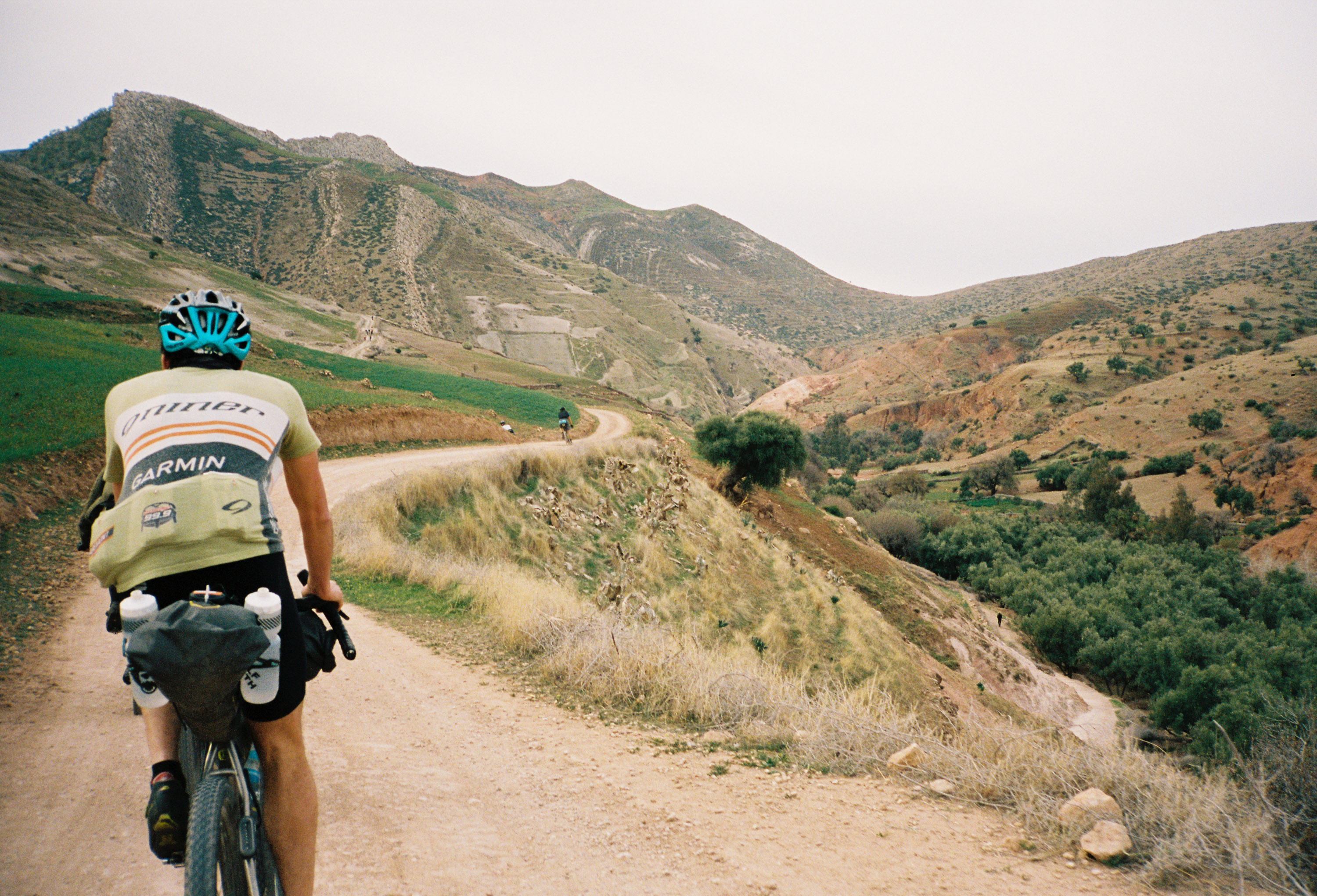
A Man Biking in a Mountain
Mountain Biking Techniques

Mastering advanced riding skills is crucial for navigating technical trails with finesse and control. Let's explore three key techniques:

Bunny Hops

This skill allows you to lift both wheels off the ground simultaneously, enabling you to clear obstacles such as rocks, roots, and logs. Practice timing your jump and coordinating your body movements to achieve a smooth and controlled hop.

Wheelies

Riding on your back wheel requires a delicate balance of weight distribution and throttle control. Learn to shift your body weight backward while applying gentle pressure to the pedals to lift the front wheel off the ground. Mastering this skill can help you maneuver over obstacles and maintain momentum on challenging terrain.

Manuals

A manual is a technique where you lift the front wheel off the ground and ride on the rear wheel. This skill requires precise balance and control. Practice shifting your weight back while maintaining a slight bend in your arms and legs to keep the front wheel elevated.

These skills require practice and patience, but mastering them will significantly enhance your confidence when tackling technical trials.

Technical Descents

Technical Descents of Mountain Biking
Technical Descents

Descending steep and technical trails requires a combination of skill and courage. Here are some key techniques:

Body Position

Shift your weight back to maintain traction on the rear wheel and prevent the front wheel from lifting off the ground. Keep your knees and elbows bent to absorb the impact of rough terrain.

Braking Technique

Use both front and rear brakes judiciously to control your speed. Avoid locking up the brakes, as this can lead to skidding and loss of control. Feather the brakes to modulate your speed smoothly.

Line Selection

Choose the smoothest and safest line down the descent. Look ahead and anticipate obstacles to plan your route. Avoid sudden changes in direction or speed that could result in loss of control.

Mastering these techniques will enhance your confidence and safety on steep descents, allowing you to tackle challenging terrain with ease.

Climbing Strategies

Climbing steep hills is a test of strength, endurance, and technique. Here are some strategies to conquer climbs:

  • Gear Selection: Shift to a lower gear to maintain a steady cadence. This will help you conserve energy and prevent burnout on long climbs.
  • Body Position: Lean forward to keep the front wheel grounded and maintain traction. Distribute your weight evenly between the front and rear wheels to prevent wheel spin.
  • Momentum: Use your momentum from the descent to carry you through the initial part of the climb. Maintain a steady pace and avoid sudden bursts of speed that can lead to fatigue.

By mastering these climbing strategies, you can tackle even the steepest climbs with confidence and efficiency.

Trail Features

Trail features such as drops, berms, and rock gardens present unique challenges that require specific techniques:

  • Drops: Approach drops with confidence and commitment. Keep your weight centered and your knees bent to absorb the impact. Focus on landing smoothly to maintain control.
  • Berms: Use the trail's banking to your advantage. Lean your bike into the turn while keeping your body upright. This will help you maintain speed and control through the turn.
  • Rock Gardens: Navigate through rocky sections by choosing a smooth line and staying loose on your bike. Keep your eyes focused ahead to anticipate the best path through the rocks.

Understanding how to ride these features will make you a more versatile and capable mountain biker, allowing you to tackle a wider variety of trails with confidence.

Cornering Mastery

Cornering is a fundamental skill that can greatly impact your speed and control on the trail. Here are some key techniques:

  • Body Position: Lean your bike into the turn while keeping your body upright. This will help you maintain traction and control through the corner.
  • Braking: Avoid heavy braking in corners, as this can cause your wheels to skid. Instead, brake before entering the corner and then release the brakes as you turn.
  • Line Choice: To maintain momentum, choose the smoothest and widest line through the corner. Look ahead and anticipate your exit to plan your line.

Mastering cornering will improve your overall flow on the trail, allowing you to maintain speed and control through turns.

Conclusion

Advanced Mountain Biking Techniques

Mastering these advanced mountain biking techniques with My Trip My Dream requires dedication, practice, and a willingness to push your limits. By honing your skills in bunny hops, wheelies, manuals, technical descents, climbing strategies, trail features, and cornering, you'll become a more confident and capable rider. Remember to always ride within your abilities and prioritize safety on the trails.

With perseverance and determination, you'll elevate your mountain biking to new heights of skill and enjoyment. Happy riding!

If you need more information about the trip, read our other article about the Day of the Dead.

Exploring the World: The Impact of Educational Travel on Global Environmental Awareness

Educational Travel Educational travel, often referred to as experiential learning or immersive travel, is a powerful tool for inspiring envi...